
Rice holds a central place in everyday meals as well as festive cuisines across diverse regions. Yet not every grain carries the same character, aroma, or purpose. When buyers and consumers compare basmati and non-basmati varieties, the differences go far beyond appearance. As a basmati rice exporter, we understand how these distinctions influence cooking preferences, global demand, and long term sourcing decisions. This guide explores the key contrasts that matter most for taste, texture, usage, and value.
Grain Structure and Natural Aroma
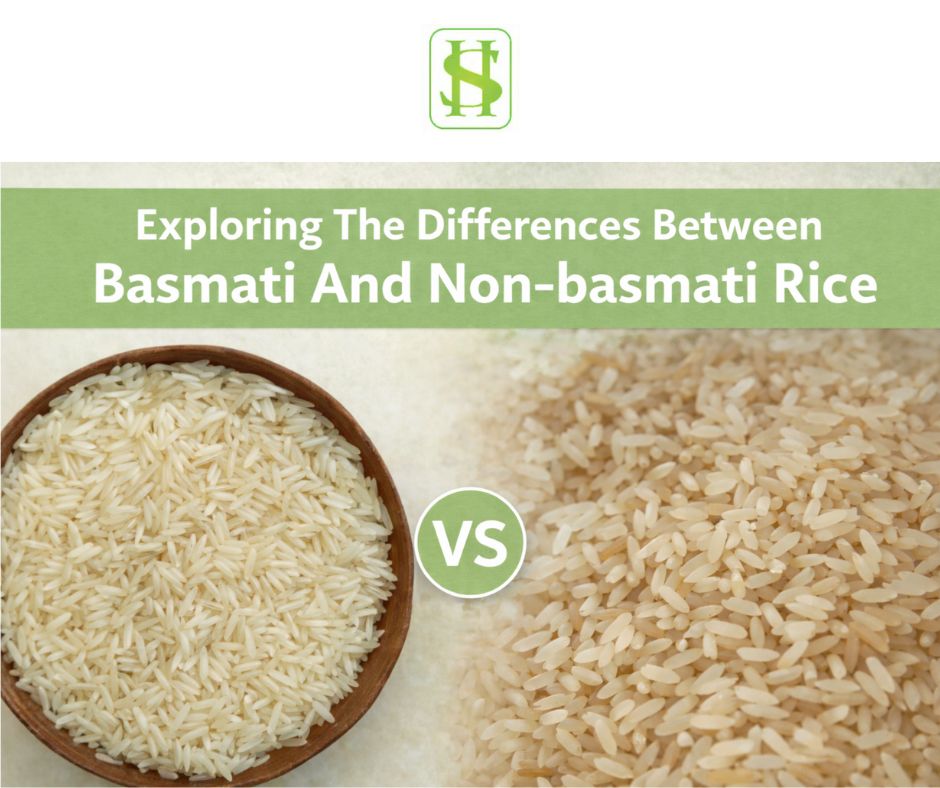
One of the most noticeable differences lies in grain structure. Basmati rice grains are naturally long, slender, and elegant in appearance. When cooked, they elongate further while remaining separate, creating a refined look on the plate. A distinct natural aroma sets basmati apart, adding depth to dishes without overpowering other ingredients. Non-basmati rice varieties vary widely in shape and size. Some are short and bold, while others fall into medium grain categories. These grains generally lack the signature fragrance of basmati and often turn softer or slightly sticky after cooking. This difference makes non-basmati rice more suitable for dishes where compact texture or moisture retention is preferred.
Taste, Texture, and Cooking Performance
Flavor and texture also play a major role in choosing the right rice. Basmati rice offers a light, fluffy texture with a subtle nutty taste. Each grain remains separate, which enhances the experience of biryanis, pulao, and premium rice dishes. Cooking basmati requires careful water absorption and timing to preserve its structure and aroma. Non-basmati rice tends to be more neutral in taste. Its texture can range from soft to creamy depending on the variety and cooking method. This makes it ideal for daily meals, curries, rice bowls, and comfort foods where rice blends smoothly with gravies. The cooking process is generally more forgiving, which appeals to large scale kitchens and routine consumption.
Usage across cuisines and markets
Basmati rice is closely associated with celebratory meals and traditional recipes that demand elegance and fragrance. It is widely chosen for special occasions and export markets that value quality and consistency. Many international buyers rely on an experienced basmati rice exporter to ensure grain purity, aging standards, and uniformity for premium offerings. Non-basmati rice dominates everyday consumption across households and food service sectors. Its adaptability allows it to be used in a broad range of regional dishes, from steamed rice plates to rice based snacks. This versatility supports steady domestic demand and makes non-basmati rice an essential part of the staple food supply chain.
Pricing, value, and buyer preference
Price often reflects cultivation methods, aging requirements, and market positioning. Basmati rice typically commands a higher value due to its longer growing cycle, controlled aging process, and export grade specifications. Buyers looking for quality focus on origin, grain length, and aroma consistency, factors that influence pricing. Non-basmati rice is generally more affordable and accessible. Its higher yield and shorter cultivation period help maintain stable pricing, making it suitable for bulk purchases and institutional use. Choosing between the two depends on intended application, target audience, and desired dining experience rather than cost alone.
Conclusion
Understanding the difference between basmati and non-basmati rice helps buyers make informed decisions based on taste, texture, and purpose. While basmati stands out for its aroma and elegance, non-basmati remains essential for everyday versatility. As a trusted basmati rice exporter, we focus on delivering consistent quality that meets global expectations. At Shree Hans Rice & General Mills, our commitment lies in offering rice varieties that align with diverse culinary and market needs while maintaining uncompromised standards.